

Grooming your pet at home can be a great way to manage loose hair and keep your pet’s coat looking clean. But there is one challenge many pet owners face: their pet may not be comfortable with a new grooming tool at first.
This is especially important when introducing a powered grooming tool. The sound, movement, and vibration can feel unfamiliar to a dog, cat, or other animal.
The good news is that patience and a gradual introduction can help turn grooming into a more comfortable part of your pet’s routine.
Why Are Some Pets Nervous During Grooming?
Pets can react differently to new grooming experiences.
A dog or cat may become nervous because of:
Instead of forcing your pet to accept the tool immediately, give them time to understand that grooming can be a safe and positive experience.
Start Before Turning the Tool On
One of the easiest ways to introduce a new grooming tool is to begin with the tool turned off.
Allow your pet to see and smell the grooming attachment. Let them approach it at their own pace.
You can place the attachment near your pet without touching their coat. Reward calm behavior with praise or a small treat.
This helps your pet become familiar with the appearance and smell of the tool before they experience its movement or sound.
Introduce the Sound Gradually
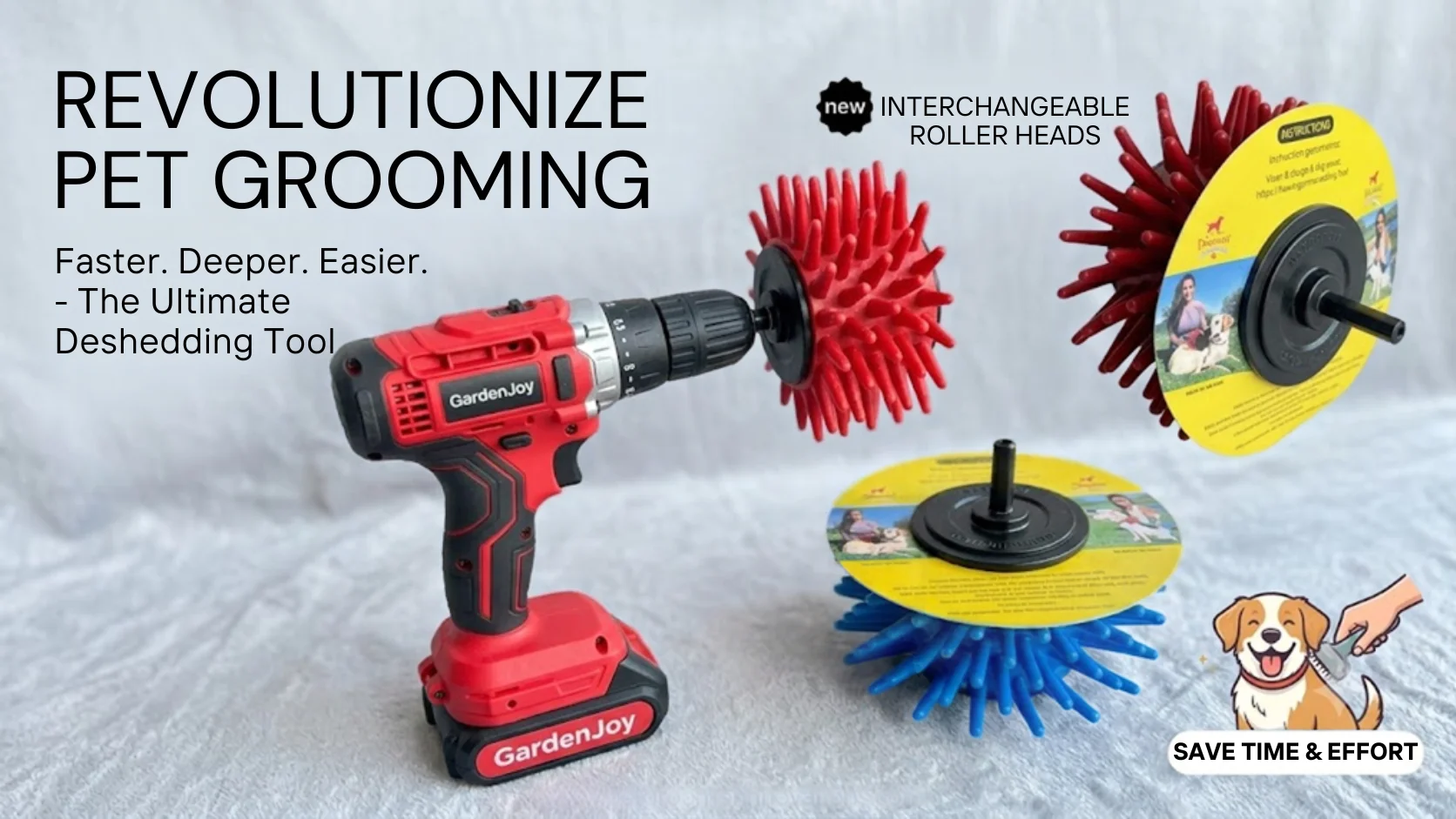
If you’re using a drill-powered grooming attachment such as PGroomer, the sound of the drill may be one of the biggest changes for your pet.
PGroomer’s guidance recommends introducing the tool slowly and allowing the animal to become familiar with it. The company also recommends starting the drill at a low speed.
Try turning the drill on at a distance from your pet for a short time.
If your pet remains calm, gradually bring the tool closer over several short sessions.
There is no need to rush.
Keep the First Grooming Session Short
Your first grooming session doesn’t need to remove a lot of hair.
The goal should simply be to help your pet become comfortable with the process.
Start with a small area of the coat and use gentle, controlled movements. If your pet stays relaxed, you can gradually increase the grooming time during future sessions.
Short and positive sessions can be much easier for a nervous pet than one long grooming session.
Choose the Right Grooming Attachment
Using an appropriate grooming head is another important part of a comfortable grooming routine.
Different pets have different coat types, sizes, and grooming requirements. PGroomer provides specialized options for small dogs, medium dogs, large dogs, cats, horses, and farm animals.
The company also offers different grooming heads designed around different coat types and sensitivities.
For example, PGroomer’s blue unit is described as having light soft fingers for sensitive areas and medium-hair pets.
Choosing the right attachment can help you create a more suitable grooming experience for your pet.
Use a Low Speed
When introducing a powered grooming tool, starting slowly is important.
PGroomer’s FAQ recommends starting at the lowest speed so the pet can become accustomed to the sensation. It states that low to medium speed is generally sufficient for de-shedding.
Avoid using excessive pressure or unnecessarily high RPMs.
Let the grooming attachment do the work while you maintain controlled movement.
Reward Calm Behavior
Positive reinforcement can make a big difference.
Whenever your pet remains calm around the grooming tool, reward them with praise, affection, or a treat.
Over time, your pet can begin to associate the grooming routine with positive experiences.
This can be especially helpful for pets that were previously nervous about brushes or grooming appointments.
Pay Attention to Your Pet’s Body Language
Your pet cannot tell you when something feels uncomfortable, so watch their behavior carefully.
Signs that your pet may need a break can include:
If your pet becomes distressed, stop the grooming session and give them time to relax.
PGroomer’s safety guidance also recommends stopping immediately if skin irritation occurs.
Avoid Sensitive Areas
Extra care is necessary around sensitive parts of the body.
According to PGroomer’s safety instructions, the grooming tool should not be used near the eyes, ears, anus, genitals, open sores, or irritated skin.
Never force a grooming tool into an area where your pet is uncomfortable.
If you are unsure whether a particular area can be safely groomed, consult a qualified veterinarian or professional groomer.
Build a Regular Grooming Routine
Once your pet becomes comfortable with the process, consistency can make grooming easier.
A simple routine might include:
1. Prepare the grooming area
Choose a calm, comfortable location.
2. Let your pet inspect the tool
Allow your pet to become familiar with it.
3. Start at a low speed
Give your pet time to adjust.
4. Groom gently
Use controlled movements without excessive pressure.
5. Take breaks
Don’t wait until your pet becomes overwhelmed.
6. Reward good behavior
Make grooming a positive experience.
Over time, your pet may become much more comfortable with regular grooming.
Why At-Home Grooming Can Be Convenient
Regular grooming at home can help pet owners manage loose hair without making every grooming session a trip to a salon.
PGroomer’s system is designed around a simple three-step process: choose the appropriate brush, attach it to a standard power drill, and begin de-shedding at low speed.
The company offers grooming solutions for dogs, cats, horses, and farm animals, with products categorized by animal size and coat type.
Final Thoughts
Helping your pet become comfortable with grooming is a process, not something that needs to happen in one day.
Start slowly, choose the appropriate grooming attachment, use a low speed, and pay attention to your pet’s behavior. With patience and positive reinforcement, grooming can become a familiar part of your pet’s regular care routine.
Added to cart
Check out our shop to see what's available